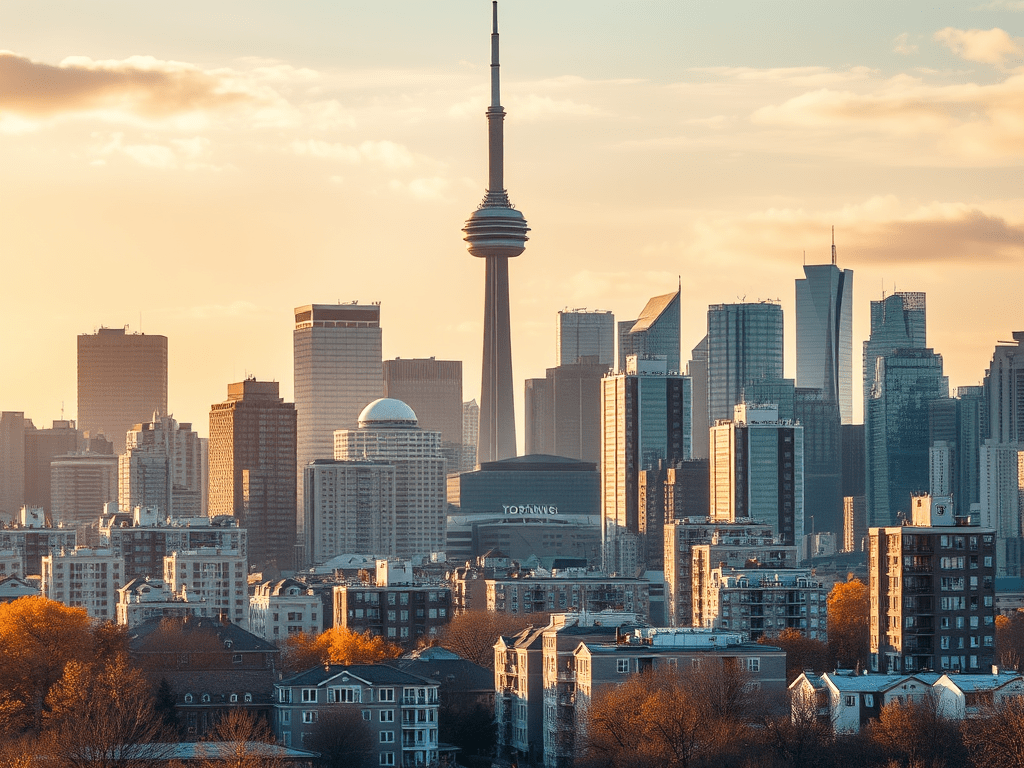
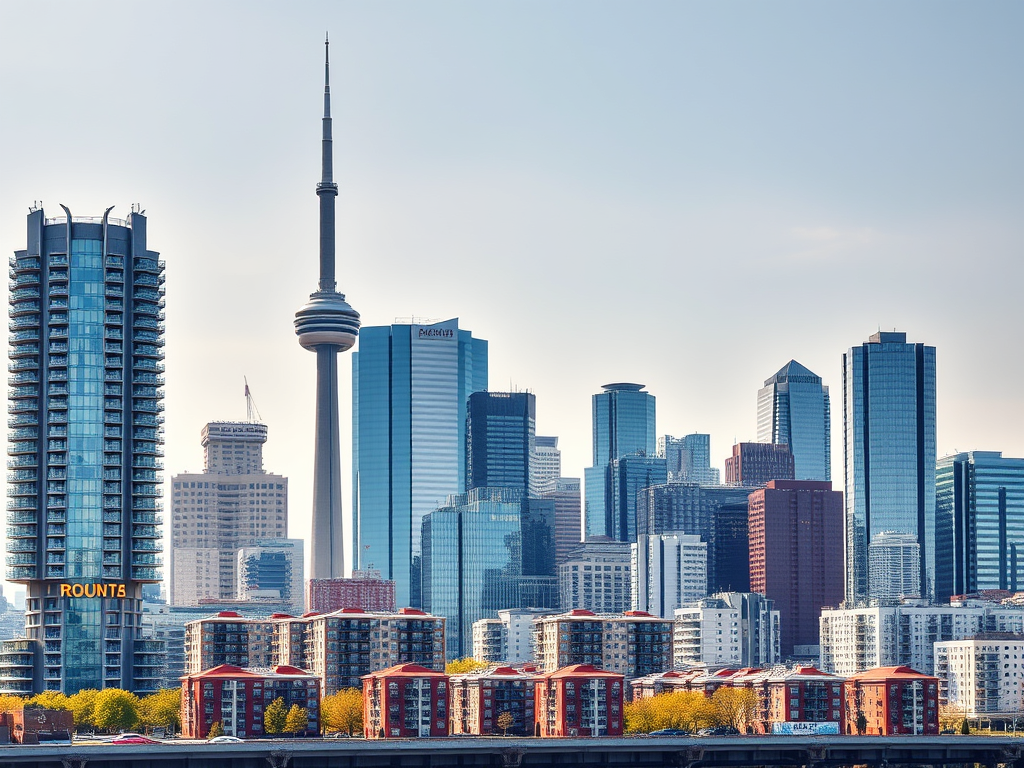
🏠 Toronto Housing Market – Snapshot
- Falling prices & buyer-friendly environment
- The benchmark home price in the Greater Toronto Area (GTA) dropped to C$995,100 in June 2025, down 1.7% month‑over‑month and 5.5% year‑over‑year City of Toronto+4PanamericanWorld+4City of Toronto+4Move Smartly+6WOWA+6WOWA+6.
- The average price ranged between C$1.10M–1.30M, depending on source—TRREB cited C$1,101,691 WOWA+4Stephanie De Souza & Associates+4David Bradica Team+4; another analyst put it at around C$1.30M Move Smartly.
- Strong inventory growth & cooling market
- Active listings hit a 30‑plus‑year high: over 31,600 listings, a ~30% YOY rise in the GTA biv.com+15Stephanie De Souza & Associates+15Reuters+15.
- Month‑end SNLR (sales‑to‑new‑listings ratio) was around 32%, indicating a clear buyer’s market (below 40%) City of Toronto+9WOWA+9WOWA+9.
- Sales trends
- June saw about 6,243 units sold, roughly flat to slightly up YOY (+0.5%) and M‑o‑M WOWA.
- Seasonally adjusted sales hit a 5‑month high (~5,068 units), marking an 8.1% monthly increase Reuters+1nesto.ca+1.
- Affordability & economic headwinds
- Affordability has improved slightly due to lower interest rates and price dips City of Toronto+5Reuters+5Reuters+5. Yet prices still remain over 10× average income; affordability problems persist Reuters.
- Experts forecast a 2% drop in national home prices in 2025 and a 4% decline in Toronto specifically, with only modest recovery expected in 2026–2027 Reuters+1cmhc-schl.gc.ca+1.
- CMHC projects a 2% fall in home prices in Ontario in 2025, with larger declines in Toronto tied to high supply and developer caution cmhc-schl.gc.ca.
⚽ The FIFA World Cup 2026 in Toronto – What’s Coming

- Toronto as a FIFA host city
- BMO Field will host six matches, including Canada’s opening match on June 12, 2026, after extensive upgrades that expand capacity to ~45,700 seats WOWA+9en.wikipedia.org+9City of Toronto+9.
- Economic impact projections
- Nationally, FIFA expects C$3.8 billion in economic output—C$2 billion to GDP, C$1.3 billion in labour income, and creation/preservation of 24,100 jobs from June 2023 to August 2026 ReutersCity of Toronto+3inside.fifa.com+3City of Toronto+3.
- For the GTA specifically, projected contributions include:
- C$940 million in economic output
- C$520 million GDP impact, C$340 million in labour income
- 6,600+ jobs created or preserved City of Toronto.
🏗️ Will the World Cup Boost Toronto’s Housing Market?
Here’s how the tournament might affect the GTA housing market:
1. Demand Surge – Visitors, Fans, and Short-term Tenants
- Influx of international visitors, teams, media, and fans may spike short-term rental demand—hotels may fill, and platforms like Airbnb could see high occupancy.
- This may push demand for short‑term leased condos or rentals during June–July 2026, but that effect largely ends when the event wraps.
2. Employment & Economic Confidence
- Jobs created across hospitality, construction, retail, logistics, and event services (6,600 in GTA alone) could improve consumer confidence and boost residency demand PanamericanWorld+2City of Toronto+2YouTube+2.
- A stronger local economy may bring more relocation and immigration interest, especially among skilled workers drawn by new jobs and infrastructure projects.
3. Infrastructure Investments & City Enhancements
- Stadium upgrades costing C$123 million (city + MLSE), public funding for transit, tourism infrastructure, and fan zones like Fort York and The Bentway en.wikipedia.org+1en.wikipedia.org+1.
- These may improve neighbourhoods around BMO Field and waterfront areas—making them more attractive to homebuyers and investors.
4. Temporary vs. Lasting Effects
- While short‑term housing demand may spike temporarily, the long‑term impact depends on broader factors: interest rates, supply levels, investor sentiment, and immigration policy.
- Recall the current market is oversupplied, with buyers in control, and projected modest declines in 2025 and slow recovery in 2026–27 Reuterscmhc-schl.gc.caWOWA.
📈 Outlook – Will Housing Market Rise?
- Short‑Term (2026 tournament period):
- Expect localized and temporary bumps in demand for rentals, especially near BMO Field and central Toronto tourist zones. This may lead to short‑term lease price upticks for the summer.
- Medium‑Term (2026‑27):
- Market recovery potential, but not a boom. Overall home prices likely to stabilize or rise modestly in 2026 as economic confidence gradually improves. Forecasts anticipate 2–3% price growth in 2026 nationally and a rebound but subdued growth in Toronto ReutersReuters.
- A bounce could be supported by improved confidence, lower rates, and sticky supply constraints, but heavy investor caution and international economic headwinds (trade tensions, job uncertainty) may dampen gains.
- Major Influencing Factors:
- The duration of interest rate cuts, job market strength, immigration flows, and how quickly inventory is depleted or stabilized will shape outcomes more than the World Cup itself.
🔍 Key Highlights at a Glance
| Aspect | June 2025 Status | World Cup Influence | 2026–27 Outlook |
|---|---|---|---|
| Home Prices | Down ~5–6% YoY, plateauing | No direct lift; potential local short‑term rent surge | Gradual 2–3% recovery |
| Inventory / Listing Levels | Very high—buyer’s market (SNLR ~32%) | Temporary rental demand may dip availability briefly | Market balance may slowly shift |
| Demand | Soft due to weak confidence | Events may bring short‑term spike | Modest rebound if confidence returns |
| Economic / Jobs | Weak macro headwinds | 6,600 GTA jobs creation forecasted | Better labour income supports demand |
| Infrastructure | Affordable housing projects underway | Stadium + urban improvements around fan zones | May enhance neighbourhood appeal |
✅ Final Verdict
The Toronto housing market in mid‑2025 favors buyers, with lower prices, elevated inventory, and softer demand amid economic uncertainty. The 2026 FIFA World Cup, while a major international event, will likely drive temporary, concentrated demand—especially in short‑term rentals and central neighbourhoods.
However, long‑term price growth from the tournament alone is unlikely. Broader factors—interest rates, job security, population growth, and supply—will determine whether Toronto sees a moderate rebound in 2026–27. If economic sentiment improves alongside planned rate cuts and immigration support, we may see modest recovery in home prices—but no dramatic boom tied solely to the World Cup.
🇨🇦 In short: a near‑term spike in buzz and local rental demand, but sustained housing market growth will depend on fundamentals beyond the tournament itself.

 My-Toronto
Leave a comment