• Trump Tariffs Canada 2025: Economic Consequences Ahead

     A Political Firestorm Brewing at the Border

    Toronto and the rest of Canada are waking up to a potential economic earthquake as former U.S. President Donald Trump reignites tensions over Canada’s stance on Palestinian statehood.

    In a bold and controversial move, Canada has signaled its intent to formally recognize the State of Palestine at the United Nations General Assembly this September. In response, Trump has threatened a 35% tariff on Canadian goods, a move that could devastate Canadian exports and cause ripple effects through the entire economy.

    Let’s break down what’s happening — and why it matters to everyday Canadians.

    What’s Behind Canada’s Recognition of Palestine?

    In a historic shift in foreign policy, Canada is aligning itself with over 140 other nations in recognizing Palestine as a sovereign state. The decision, led by Foreign Minister Mark Carney and supported by the current Liberal government, is part of a broader effort to:

    • Support a two-state solution
    • Promote peace and stability in the Middle East
    • Reflect growing global support for Palestinian sovereignty

    This move is symbolic but powerful — especially as Canada steps into a stronger diplomatic role on the global stage.

    Trump’s Tariff Threat: “Punish Canada, Protect America”

    Never one to hold back, Donald Trump, who is once again the Republican nominee for President, has called Canada’s stance “a betrayal of America” and threatened massive economic retaliation if Canada doesn’t back down.

    “If Trudeau and his people go ahead and recognize Palestine, we will hit Canadian goods with a 35% tariff — immediately. They will pay.” — Donald Trump, July 30, 2025

    These threats mirror Trump’s past trade war tactics — but this time, the stakes are higher, and the political tone is more hostile.

    What Does This Mean for Canadians?

    If Trump’s proposed tariffs are implemented, Canadian exports to the U.S. — our largest trading partner — would be hit hard. Key sectors at risk include:

    • Automotive parts (especially Ontario manufacturers)
    • Lumber and timber
    • Dairy and agriculture
    • Steel and aluminum

    And let’s not forget rising prices at the consumer level. Imported U.S. goods — from smartphones to cereal — could see a sharp spike, just as many Canadians are already struggling with inflation and high interest rates.

    Business Leaders React: “This Could Cripple Us”

    Toronto business leaders and economists are calling for calm, measured diplomacy rather than retaliation.

    • Chambers of Commerce are urging both governments to engage in dialogue rather than escalation.
    • Exporters in Ontario and Quebec warn that sudden tariffs could lead to job losses and factory closures.
    • Small businesses worry about supply chain delays and rising costs on imported materials.

    “We support Canada’s humanitarian stance, but we need to be strategic. We can’t afford a repeat of 2018’s trade chaos,” said one Mississauga-based manufacturing CEO.

    Public Opinion: A Nation Divided

    Canadians are split down the middle. Recent polls show:

    • 52% support recognizing Palestine, citing human rights and international law
    • 40% oppose it, citing fears of U.S. retaliation and economic harm
    • 8% undecided, waiting to see how things play out

    Social media is ablaze with hashtags like #StandWithPalestine and #Don’tPokeTheBear, reflecting the growing divide.

    Global Response: Will Canada Inspire Others?

    Canada’s move could inspire other Western nations—especially EU members—to step forward with similar recognitions. This may lead to:

    • A stronger international push for Palestinian autonomy
    • Diplomatic pressure on Israel to re-engage in peace talks
    • Further U.S. isolation on the global stage (at least temporarily)

    But it could also trigger economic backlash from pro-Israel allies and pro-Trump U.S. states.

     Expert Analysis: What Comes Next?

    Political analysts say Trudeau’s administration is taking a calculated risk, betting that Trump’s threats may not materialize — or that they can be softened through diplomacy.

    Mark Carney, seen by many as a future Prime Minister, is positioning Canada as a moral leader in foreign affairs — even if it costs politically or economically in the short term.

    “This is about doing what’s right, not what’s easy,” Carney said at a recent Toronto press conference.

    Final Thoughts: Is Canada Ready for a Trade War?

    This story is still developing, and much depends on the outcome of the UN vote in September and the U.S. presidential election in November.

    In the meantime, Canadians should prepare for potential economic ripples — and stay informed. Because when foreign policy collides with economics, it’s not just politicians who feel the impact — it’s all of us.


  • Will World Cup Bring Housing Demand to Toronto?

    🏠 Toronto Housing Market – Snapshot


    ⚽ The FIFA World Cup 2026 in Toronto – What’s Coming

    • Toronto as a FIFA host city
    • Economic impact projections
      • Nationally, FIFA expects C$3.8 billion in economic output—C$2 billion to GDP, C$1.3 billion in labour income, and creation/preservation of 24,100 jobs from June 2023 to August 2026 ReutersCity of Toronto+3inside.fifa.com+3City of Toronto+3.
      • For the GTA specifically, projected contributions include:
        • C$940 million in economic output
        • C$520 million GDP impact, C$340 million in labour income
        • 6,600+ jobs created or preserved City of Toronto.

    🏗️ Will the World Cup Boost Toronto’s Housing Market?

    Here’s how the tournament might affect the GTA housing market:

    1. Demand Surge – Visitors, Fans, and Short-term Tenants

    • Influx of international visitors, teams, media, and fans may spike short-term rental demand—hotels may fill, and platforms like Airbnb could see high occupancy.
    • This may push demand for short‑term leased condos or rentals during June–July 2026, but that effect largely ends when the event wraps.

    2. Employment & Economic Confidence

    • Jobs created across hospitality, construction, retail, logistics, and event services (6,600 in GTA alone) could improve consumer confidence and boost residency demand PanamericanWorld+2City of Toronto+2YouTube+2.
    • A stronger local economy may bring more relocation and immigration interest, especially among skilled workers drawn by new jobs and infrastructure projects.

    3. Infrastructure Investments & City Enhancements

    • Stadium upgrades costing C$123 million (city + MLSE), public funding for transit, tourism infrastructure, and fan zones like Fort York and The Bentway en.wikipedia.org+1en.wikipedia.org+1.
    • These may improve neighbourhoods around BMO Field and waterfront areas—making them more attractive to homebuyers and investors.

    4. Temporary vs. Lasting Effects

    • While short‑term housing demand may spike temporarily, the long‑term impact depends on broader factors: interest rates, supply levels, investor sentiment, and immigration policy.
    • Recall the current market is oversupplied, with buyers in control, and projected modest declines in 2025 and slow recovery in 2026–27 Reuterscmhc-schl.gc.caWOWA.

    📈 Outlook – Will Housing Market Rise?

    • Short‑Term (2026 tournament period):
      • Expect localized and temporary bumps in demand for rentals, especially near BMO Field and central Toronto tourist zones. This may lead to short‑term lease price upticks for the summer.
    • Medium‑Term (2026‑27):
      • Market recovery potential, but not a boom. Overall home prices likely to stabilize or rise modestly in 2026 as economic confidence gradually improves. Forecasts anticipate 2–3% price growth in 2026 nationally and a rebound but subdued growth in Toronto ReutersReuters.
      • A bounce could be supported by improved confidence, lower rates, and sticky supply constraints, but heavy investor caution and international economic headwinds (trade tensions, job uncertainty) may dampen gains.
    • Major Influencing Factors:
      • The duration of interest rate cuts, job market strength, immigration flows, and how quickly inventory is depleted or stabilized will shape outcomes more than the World Cup itself.

    🔍 Key Highlights at a Glance

    AspectJune 2025 StatusWorld Cup Influence2026–27 Outlook
    Home PricesDown ~5–6% YoY, plateauingNo direct lift; potential local short‑term rent surgeGradual 2–3% recovery
    Inventory / Listing LevelsVery high—buyer’s market (SNLR ~32%)Temporary rental demand may dip availability brieflyMarket balance may slowly shift
    DemandSoft due to weak confidenceEvents may bring short‑term spikeModest rebound if confidence returns
    Economic / JobsWeak macro headwinds6,600 GTA jobs creation forecastedBetter labour income supports demand
    InfrastructureAffordable housing projects underwayStadium + urban improvements around fan zonesMay enhance neighbourhood appeal

    ✅ Final Verdict

    The Toronto housing market in mid‑2025 favors buyers, with lower prices, elevated inventory, and softer demand amid economic uncertainty. The 2026 FIFA World Cup, while a major international event, will likely drive temporary, concentrated demand—especially in short‑term rentals and central neighbourhoods.

    However, long‑term price growth from the tournament alone is unlikely. Broader factors—interest rates, job security, population growth, and supply—will determine whether Toronto sees a moderate rebound in 2026–27. If economic sentiment improves alongside planned rate cuts and immigration support, we may see modest recovery in home prices—but no dramatic boom tied solely to the World Cup.

    🇨🇦 In short: a near‑term spike in buzz and local rental demand, but sustained housing market growth will depend on fundamentals beyond the tournament itself.

  • Navigating the Toronto Job Market: Tips for Success

    Introduction

    Toronto, the vibrant heart of Canada, draws people from across the globe with its promises of opportunity, diversity, and progress. But for many job seekers—especially newcomers and young professionals—finding a job in Toronto feels like working a second full-time job. 

    From navigating endless applications and tailoring resumes to following up and networking on LinkedIn, the Toronto job search process is anything but easy. Here’s why the hustle is real—and what you can do to stay ahead.

    1. High Competition in Every Field

    Toronto is one of Canada’s most densely populated cities, and it attracts talent from all over the world. Whether you’re applying for an entry-level customer service role or a senior position in tech, chances are you’re competing against hundreds—if not thousands—of applicants.

    2. Tailored Resumes & Cover Letters Are a Must

    The days of sending a one-size-fits-all resume are long gone. Each application needs a custom-tailored resume and cover letter that aligns with the job description and company culture.

    3. Networking is No Longer Optional

    In Toronto, “who you know” can matter more than “what you know.” You’ll need to attend networking events, message hiring managers on LinkedIn, and possibly even volunteer just to get your foot in the door

    4. ATS Systems Filter You Before a Human Does

    Most companies in Toronto use Applicant Tracking Systems (ATS). That means your resume has to be formatted perfectly and include the right keywords, or it won’t even be seen by a real person.


    5. Lack of “Canadian Experience” is a Barrier


    For newcomers, this is the most frustrating hurdle. Many employers ask for “Canadian work experience”—even for entry-level roles.

    6. Endless Follow-Ups and Rejections


    Getting ghosted after interviews, or not hearing back after sending your resume? It’s sadly common. Most candidates need to send 50–100 applications before landing a single interview.

    7. Cost of Living Adds Pressure


    Searching for jobs while paying $2,000+ in rent in Toronto is mentally exhausting. Many applicants feel forced to take underpaid or unrelated work just to make ends meet while job hunting.

    8. Remote Work is Competitive Nation-Wide


    Want a remote job in Toronto? You’re now competing with candidates from across Canada—and even the world. This makes securing remote work even more cutthroat.

    9. Credential Recognition is a Challenge


    Many skilled immigrants have international degrees that are not recognized in Ontario, making it harder to land jobs in regulated industries like healthcare or engineering.

    10. The Emotional Burnout is Real


    Job hunting in Toronto can lead to anxiety, imposter syndrome, and burnout. You’re not lazy. You’re not unqualified. You’re just in one of the most challenging job markets in North America.

    Conclusion: You’re Not Alone


    Whether you’re a recent graduate, an immigrant, or someone switching careers, remember:
    You’re not alone.
    The struggle is real.
    And it’s okay to feel exhausted.

    But with patience, strategic applications, and persistence, you can land your dream job in Toronto.

    Call to Action


    – Are you currently job hunting in Toronto? Share your experience in the comments.
    – Subscribe for weekly tips on surviving and thriving in the GTA.
    – Follow us on Instagram for real-life stories from job seekers like you.

    Hashtags:
    #TorontoJobs #JobSearchCanada #WorkInToronto #CanadianJobMarket #NewImmigrantsCanada #LifeInToronto #TorontoCareer #RemoteJobsCanada #TorontoLiving #JobSearchTips #UnemploymentInCanada #ResumeTipsCanada #MentalHealthToronto #YoungProfessionalsTO

  • Top 5 Mods to Boost Horsepower Instantly

    If you’re a car enthusiast, you already know the thrill of pushing your ride to its full potential. Whether you’re chasing speed or just want that aggressive roar under the hood, horsepower is everything. The best part? You don’t need to drop $10,000 on a turbo build to see real gains.

    Here are the Top 5 mods you can install today to instantly boost your car’s horsepower – and the best part? We’ve included links to budget-friendly options so you can mod smart, not expensive.

    Cold Air Intake (CAI)

    #ColdAirIntake #CarMods #HorsepowerGains #CarPerformance #AffiliateLink

    Average Gain: +5 to +20 HP
    A cold air intake system allows your engine to breathe better by pulling in cooler, denser air. This means more oxygen in the combustion chamber, resulting in more power.

    Why it’s worth it: Easy to install, improves throttle response, and sounds aggressive.
    🔧 DIY Level: Beginner

    Performance Exhaust System

    ExhaustUpgrade #CarSound #PerformanceParts #AffiliateCarMods

    Average Gain: +10 to +25 HP
    Swapping out your stock exhaust for a performance system reduces backpressure and improves exhaust flow – letting your engine exhale freely.

    Why it’s worth it: Adds power and an aggressive exhaust note.
    🔧 DIY Level: Intermediate

    ECU Tune or Chip Tuning

    #ECUTune #ChipTuning #CarTuning #InstantHorsepower #AffiliatePartner

    Average Gain: +10 to +50 HP
    This is where real magic happens. Tuning your ECU unlocks hidden performance by optimizing air/fuel ratios, ignition timing, and boost (if turbocharged).

    Why it’s worth it: Huge gains for minimal effort.
    🔧 DIY Level: Intermediate (or use mobile tuning devices)

    High-Flow Air Filter

    Average Gain: +3 to +8 HP
    It may seem small, but a performance air filter improves airflow and even adds a deeper intake growl.

    Why it’s worth it: Dirt cheap mod with noticeable throttle response.
    🔧 DIY Level: Beginner

    #KNFilter #BudgetMods #EasyCarMods #AirFilterUpgrade #AmazonFinds

    Lightweight Pulleys or Flywheel

    Average Gain: +5 to +15 HP (freed-up, not added)
    By reducing the rotational mass, your engine revs quicker and delivers more usable power to the wheels.

    Why it’s worth it: Great bang-for-buck, especially for track cars.
    🔧 DIY Level: Advanced

    LightweightMods #CarEnthusiastLife #PerformanceBuild #AffiliateGear

    Conclusion: Build Smarter, Not Just Louder

    Boosting horsepower doesn’t have to be complicated or crazy expensive. With the right mods, even daily drivers can feel track-ready. These top 5 upgrades are not only effective, but they’re also affiliate-friendly, which means you can earn while you build if you’re sharing your car journey online.

  • 10 Essential Car Maintenance Tips for Every Owner

    Owning a car comes with the freedom of the open road—but also with responsibilities. Proper maintenance not only keeps your car running smoothly but also saves you money in the long run by preventing major repairs. Whether you’re a new driver or a seasoned gearhead, following some basic car maintenance tips can extend your vehicle’s life, boost performance, and improve safety.

    Here’s a comprehensive guide to the essential maintenance tips every car owner should know.

    1. Regular Oil Changes

    Why it matters:

    Engine oil lubricates your engine’s moving parts, reducing friction and preventing overheating. Over time, oil gets dirty and less effective.

    Tip:

    Check your owner’s manual for the recommended oil change interval (usually every 5,000 to 8,000 km). Regularly inspect the oil level and color using the dipstick—clean oil should be amber in color.

    2. Check Tire Pressure and Tread

    Why it matters:

    Proper tire pressure improves fuel efficiency, handling, and tire life. Bald or under-inflated tires increase the risk of blowouts and reduce traction.

    Tip:

    Check tire pressure monthly and before long drives using a digital tire gauge. Refer to your car’s manual or the sticker inside the driver’s door for the correct PSI. Also, inspect the tread depth using a penny or tread depth gauge—replace tires when the tread is worn.

    3. Replace Air Filters

    Why it matters:

    Air filters prevent dirt and debris from entering your engine. A clogged filter can reduce engine performance and fuel efficiency.

    Tip:

    Replace your engine air filter every 12,000 to 24,000 km or as recommended. Cabin air filters (for HVAC systems) should also be changed to maintain good air quality inside the car.

    4. Check and Maintain Fluid Levels

    Besides oil, your car relies on several other fluids:

    • Coolant: Prevents your engine from overheating.
    • Brake Fluid: Essential for proper braking.
    • Transmission Fluid: Keeps your transmission system running smoothly.
    • Power Steering Fluid: Helps you steer with ease.
    • Washer Fluid: For clean, clear visibility through your windshield.

    Tip:

    Check these fluid levels monthly and top up as needed. Always use the recommended fluid types from your manual.

    5. Inspect Belts and Hoses

    Why it matters:

    Belts and hoses keep your engine components working in sync. If they crack or break, it could lead to serious damage.

    Tip:

    Look under the hood for visible wear, fraying, or cracks. If you hear squealing noises or see leaking fluid, it may be time to replace them.

    6. Battery Maintenance

    Why it matters:

    Your car battery powers everything from ignition to lights and accessories. A dead battery can leave you stranded.

    Tip:

    Check battery terminals for corrosion and ensure they are tightly connected. Most batteries last 3–5 years; get yours tested annually after year three, especially before winter.

    7. Monitor Warning Lights

    Why it matters:

    Dashboard warning lights are your car’s way of alerting you to problems—don’t ignore them.

    Tip:

    Learn what the most common lights mean (check engine, oil pressure, tire pressure, battery). When in doubt, consult a mechanic or your manual.

    8. Rotate and Balance Your Tires

    Why it matters:

    Uneven wear can shorten the life of your tires and affect vehicle handling.

    Tip:

    Rotate your tires every 8,000 to 10,000 km and get them balanced and aligned once a year or if you notice uneven wear or the car pulling to one side.

    9. Keep Your Car Clean Inside and Out

    Why it matters:

    Regular washing and waxing protect your car’s paint from corrosion. Cleaning the interior also preserves upholstery and prevents musty smells.

    Tip:

    Wash your car every two weeks, especially in winter to remove road salt. Vacuum the interior and wipe down surfaces to keep it looking new.

    10. Follow Your Car’s Maintenance Schedule

    Why it matters:

    Your car manufacturer provides a maintenance schedule tailored to your model for a reason.

    Tip:

    Stick to it! From timing belt replacements to spark plugs and fluid flushes, following this schedule helps you avoid unexpected breakdowns.

    Conclusion

    Taking care of your car doesn’t have to be overwhelming. By staying consistent with these essential maintenance tips, you not only ensure a smooth and safe driving experience but also protect your investment for years to come.

    Make car care a habit—not a chore. Your vehicle (and your wallet) will thank you.

  • 10 Budget Mods to Boost Your Car’s Performance

    “Performance isn’t always about horsepower—it’s about precision, balance, and small upgrades that create big changes.”

    Whether you’re a weekend enthusiast or just want a smoother ride, you don’t need to spend thousands to make your car feel sharper, faster, and more responsive. In this guide, we’ll walk you through cost-effective ways to boost your car’s performance without draining your wallet.

    🛠️ 1. Upgrade Your Air Intake System

    💡 Why it matters:

    Your engine breathes just like you do. A high-performance cold air intake system allows cooler, denser air into your engine—improving combustion and overall power.

    ✅ Budget-friendly option:

    You can find reliable cold air intakes starting at $100–$300. Brands like K&N or Spectre offer DIY-install kits.

    ⛽ 2. Use High-Quality Fuel and Additives

    Why it matters:

    Using top-tier gasoline and occasional fuel system cleaners can improve combustion efficiency, clean your injectors, and even boost throttle response.

    ✅ Try this:

    Use a fuel injector cleaner like Seafoam or STP every 5,000 miles. It costs less than $20 and can noticeably smooth out engine performance.

    🧰 3. Install a Performance Exhaust Tip or Muffler

    💡 Why it matters:

    A less restrictive muffler or exhaust system improves airflow and can increase torque and horsepower slightly—plus, it gives your car a deeper, sportier sound.

    ✅ Budget-friendly option:

    Look for universal muffler tips or bolt-on systems under $200. Brands like Flowmaster or MagnaFlow are great choices.

    4. Clean or Replace the Air Filter

    Why it matters:

    A clogged air filter reduces engine efficiency and airflow. Replacing it or switching to a reusable performance filter can make a difference in acceleration.

    ✅ Quick win:

    Paper filters cost around $15–$25. Reusable options like K&N start around $50 and last for years.

    5. Switch to Performance Tires

    Why it matters:

    Your tires connect your car to the road. Upgrading to performance or summer tires enhances grip, handling, and even braking distance.

    ✅ Budget-friendly tip:

    Look for brands like Hankook, Kumho, or Falken that offer high-performance tires at mid-range prices.

    Lightweight Wheels (Optional but Powerful)

    Why it matters:

    Reducing unsprung weight with lightweight alloy wheels can improve handling and acceleration without touching the engine.

    ✅ Smart spending:

    You can find quality alloy wheels for $400–$800/set depending on your car’s size. Consider used or refurbished sets for deals.

    7. Tune Your Engine with an ECU Remap or Tuner

    Why it matters:

    A tune can unlock extra horsepower by adjusting fuel maps, ignition timing, and throttle response—especially if you’ve added an intake or exhaust upgrade.

    ✅ Entry-level option:

    A plug-and-play tuner like Pedal Commander or Superchips Flashpaq starts at $200–$400 and works well for beginners.

    8. Weight Reduction: The Free Upgrade

    💡 Why it matters:

    The less your car weighs, the faster it can accelerate and brake.

    ✅ Easy changes:

    • Remove unnecessary cargo or back seats (if not needed)
    • Ditch the spare if you use run-flats
    • Swap heavy components for lighter alternatives

    🔧 9. Better Spark Plugs

    💡 Why it matters:

    Old or poor-quality spark plugs can lead to misfires and decreased efficiency. Upgrading to iridium or platinum plugs can enhance ignition and fuel burn.

    ✅ Low-cost fix:

    Performance plugs start at $25–$50 for a full set.

    🧽 10. Keep It Maintained

    💡 Why it matters:

    A well-maintained car is a high-performance car. Routine oil changes, transmission flushes, and brake inspections ensure your car performs at its peak.

    ✅ Maintenance checklist:

    • Change oil every 5,000–7,500 miles
    • Keep tire pressure optimal
    • Replace fluids regularly
    • Align your wheels

    🏁 Final Thoughts

    Boosting your car’s performance doesn’t have to cost thousands. By choosing smart, incremental upgrades and committing to regular maintenance, you can breathe new life into your ride—without breaking the bank.

    💬 What’s Your Favorite Budget Mod?

    Let us know in the comments—or tag us on Instagram with your upgrade stories!

  • Top Affordable Used Cars in Canada Under $20K

    As of 2025, finding a brand-new car in Canada priced under $20,000 CAD has become increasingly challenging due to rising production costs and the discontinuation of several budget-friendly models. However, for car enthusiasts seeking affordable options, the used car market offers a variety of vehicles that combine performance, reliability, and value. Below is a curated list of some of the best budget-friendly used cars available in Canada for under $20,000 CAD.

    1. 2020 Ford Mustang EcoBoost

    Engine: 2.3L Turbocharged I4

    Horsepower: 310 hp

    Transmission: 6-speed manual or 10-speed automatic

    Fuel Economy: Approximately 10.2 L/100 km combined

    Highlights: Offers classic muscle car aesthetics with modern turbocharged efficiency. The EcoBoost variant provides ample power and a sporty driving experience, making it a favorite among enthusiasts.

    2. 2018 Mazda MX-5 Miata

    Engine: 2.0L I4

    Horsepower: 155 hp

    Transmission: 6-speed manual or automatic

    Fuel Economy: Approximately 8.1 L/100 km combined

    Highlights: Renowned for its lightweight design and exceptional handling, the Miata offers a pure driving experience. Its convertible top adds to the fun, making it ideal for spirited drives

    3. 2019 Volkswagen GTI

    Engine: 2.0L Turbocharged I4

    Horsepower: 228 hp

    Transmission: 6-speed manual or 7-speed DSG automatic

    Fuel Economy: Approximately 8.4 L/100 km combined

    Highlights: A blend of performance and practicality, the GTI offers sharp handling, a refined interior, and hatchback versatility.

    4. 2017 Subaru WRX

    Engine: 2.0L Turbocharged H4

    Horsepower: 268 hp

    Transmission: 6-speed manual or CVT

    Fuel Economy: Approximately 10.3 L/100 km combined

    Highlights: With its rally heritage, the WRX delivers all-wheel-drive performance and robust turbocharged power, suitable for various driving conditions.

    5. 2018 Honda Civic Si

    Engine: 1.5L Turbocharged I4

    Horsepower: 205 hp

    Transmission: 6-speed manual

    Fuel Economy: Approximately 7.4 L/100 km combined

    Highlights: The Civic Si combines everyday usability with sporty performance, featuring precise handling and a well-appointed interior.

    While the new car market in Canada offers limited options under $20,000 CAD as of 2025, the used car market presents a wealth of opportunities for enthusiasts seeking performance and value. Models like the Ford Mustang EcoBoost, Mazda MX-5 Miata, and Volkswagen GTI provide engaging driving experiences without breaking the bank. It’s essential to conduct thorough inspections and consider vehicle history reports when purchasing used vehicles to ensure reliability and satisfaction.

  • Top 10 Must-Have Car Accessories in 2025

    1. Dash Cam with 4K Recording

    A high-resolution dash cam is essential for recording incidents, deterring theft, and even capturing scenic drives. Models like the Viofo A329 offer 4K video quality, night vision, and GPS tracking. 

    2. Smartphone Mount with Wireless Charging

    Stay hands-free and charged with mounts like the Spigen OneTap Pro 3 Cryomax, featuring MagSafe compatibility and built-in cooling fans. 

    3. Portable Tire Inflator

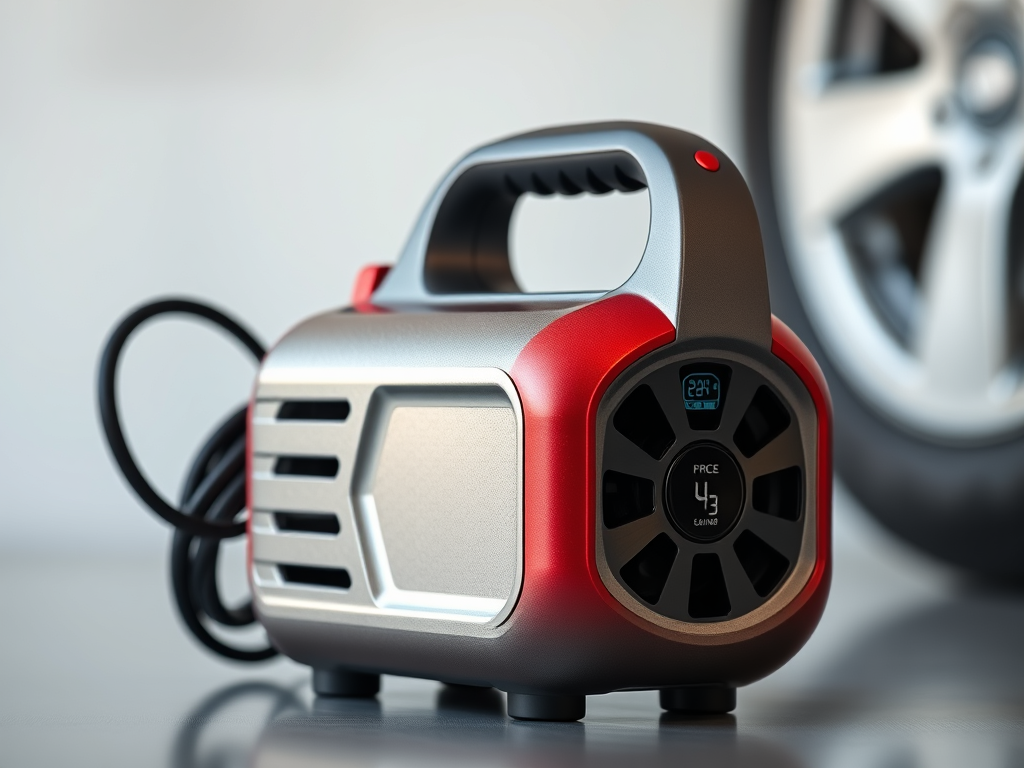
    Avoid being stranded with a compact tire inflator. Modern versions come with digital gauges and auto shut-off features for optimal tire pressure. 

    4. Retractable USB-C Car Charger

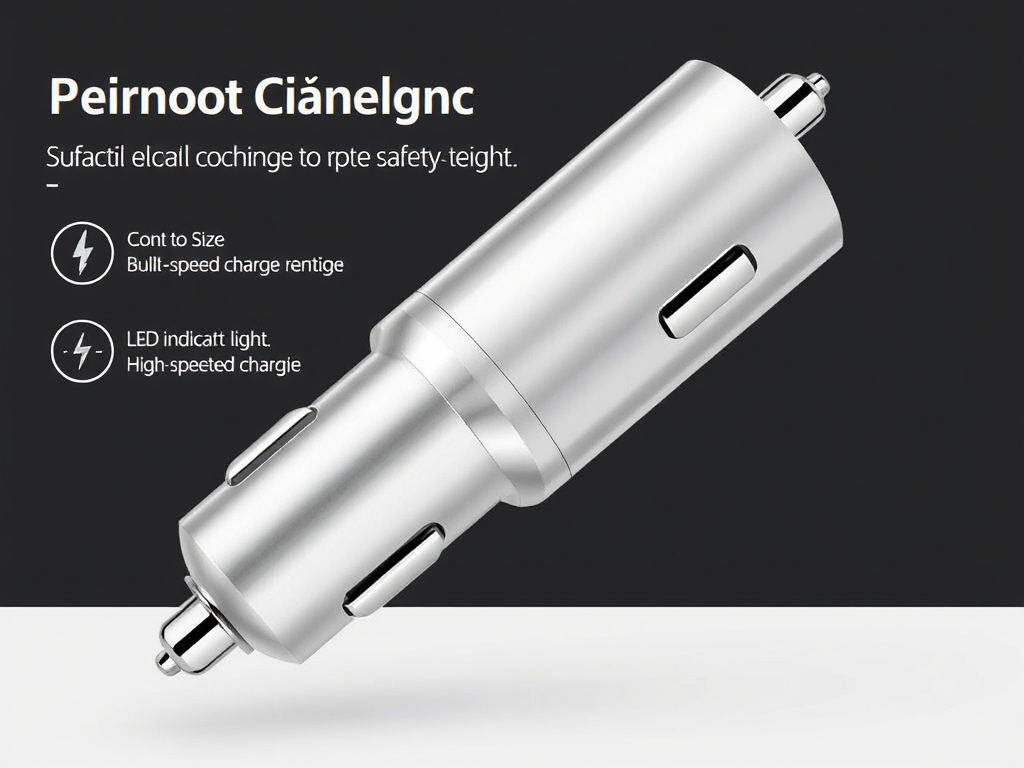
    Keep your devices powered with chargers like the LISEN Retractable Car Charger, offering dual USB-C ports and a clutter-free design. 

    5. Bluetooth Key Finder

    Never lose your keys again with devices like Tile Mate, which sync with your smartphone to locate misplaced items. 

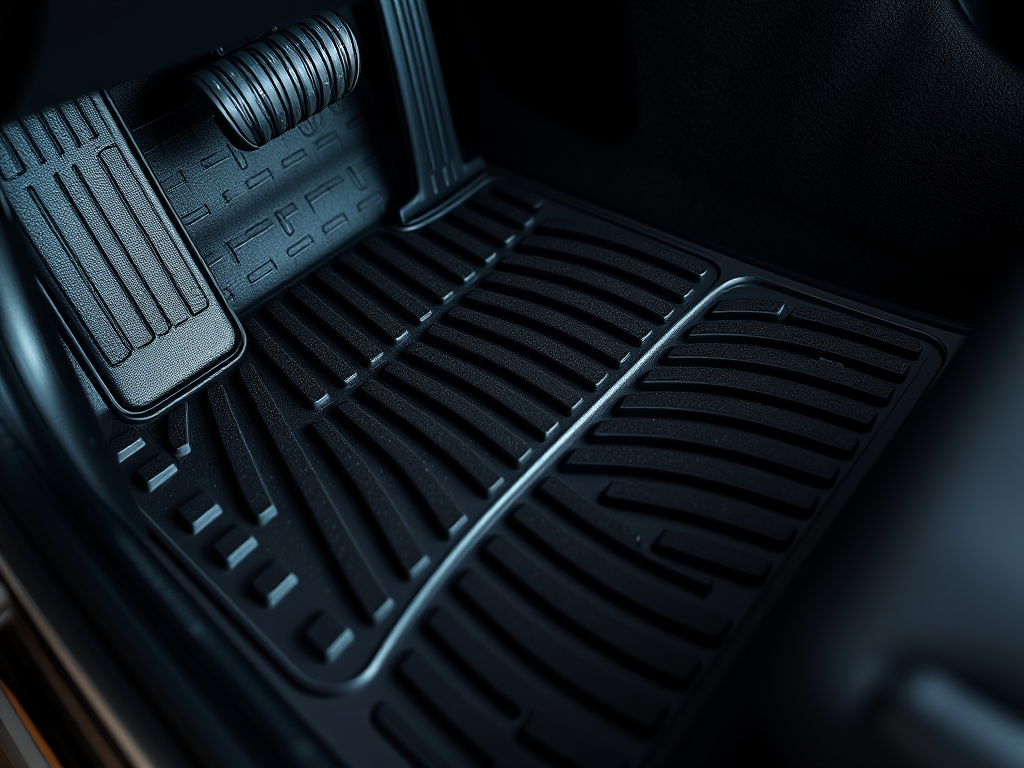
    6. All-Weather Floor Mats

    Protect your car’s interior with durable, easy-to-clean floor mats that withstand mud, snow, and spills. 

    7. Car Trash Can with Lid

    Maintain cleanliness with compact trash cans that fit in cup holders or hang from headrests, keeping waste contained. 

    8. Sunshade with UV Protection

    Keep your car cool and protect the interior from sun damage with reflective sunshades that block harmful UV rays. 

    9. Backseat Organizer

    Store essentials like tablets, snacks, and books neatly with organizers that attach to the back of front seats. 

    10. Emergency Escape Tool

    Be prepared for emergencies with tools that combine seatbelt cutters and window breakers, ensuring quick exits when needed.

    Investing in these accessories can significantly enhance your driving experience in 2025, offering increased safety, convenience, and comfort. In the end it is rightly said “The cars we drive say a lot about us, but the way we care for them says even more”.

  • The Vibe Shift: Why 2025 Is the Year of Intentional Living”

    Welcome to My First Blog Post!

    Hello and welcome! I’m thrilled to launch my blog with a topic that’s resonating deeply in 2025: the global shift towards intentional living.

    What Is Intentional Living?

    Intentional living is about making conscious choices that align with your values and aspirations. It’s a response to the fast-paced, often overwhelming digital age, where people are seeking meaning and authenticity in their daily lives.

    Why Now?

    Several trends highlight this movement:

    • Mindful Consumption: Consumers are prioritizing quality over quantity, focusing on sustainable and ethical products.
    • Digital Detox: There’s a growing emphasis on reducing screen time to foster real-world connections and mental well-being. 
    • Holistic Health: Wellness practices are integrating mental, physical, and emotional health, emphasizing balance and self-care.

    How to Embrace Intentional Living

    1. Reflect on Your Values: Identify what’s truly important to you.
    2. Set Clear Goals: Align your daily actions with your long-term aspirations.
    3. Simplify Your Environment: Declutter your space to reduce distractions and stress.
    4. Practice Mindfulness: Engage fully in the present moment, whether through meditation, journaling, or mindful activities.

    Join the Conversation

    I’m excited to explore this journey with you. In upcoming posts, we’ll delve deeper into practices, interviews, and stories that inspire intentional living.