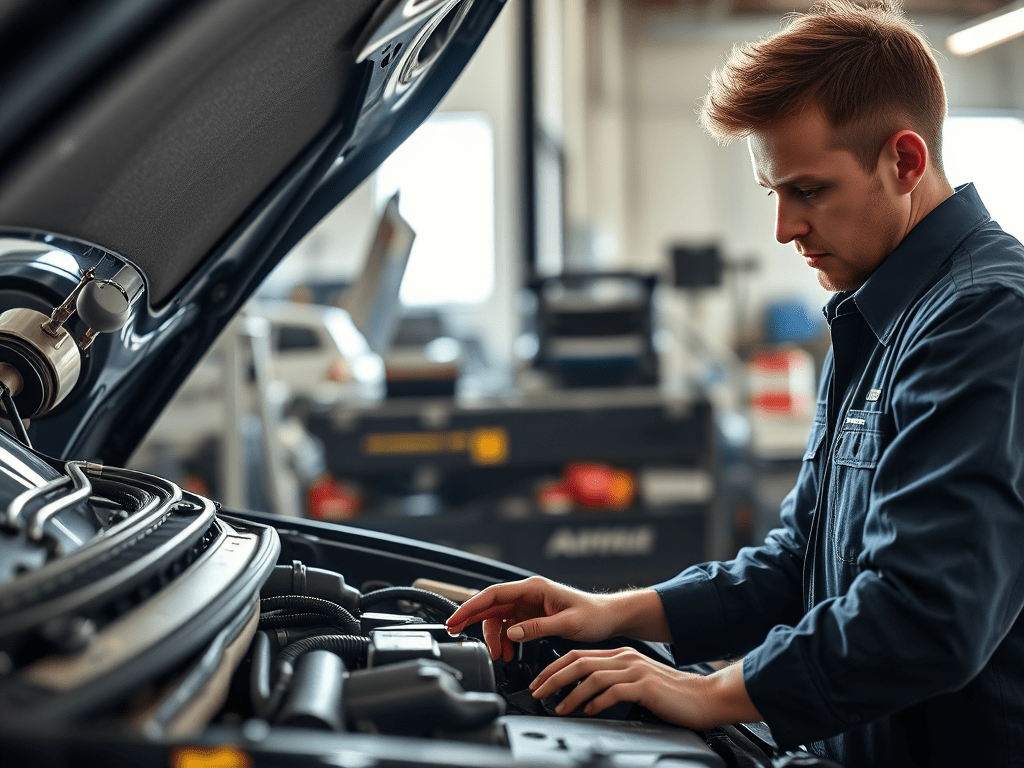
Owning a car comes with the freedom of the open road—but also with responsibilities. Proper maintenance not only keeps your car running smoothly but also saves you money in the long run by preventing major repairs. Whether you’re a new driver or a seasoned gearhead, following some basic car maintenance tips can extend your vehicle’s life, boost performance, and improve safety.
Here’s a comprehensive guide to the essential maintenance tips every car owner should know.
1. Regular Oil Changes

Why it matters:
Engine oil lubricates your engine’s moving parts, reducing friction and preventing overheating. Over time, oil gets dirty and less effective.
Tip:
Check your owner’s manual for the recommended oil change interval (usually every 5,000 to 8,000 km). Regularly inspect the oil level and color using the dipstick—clean oil should be amber in color.
2. Check Tire Pressure and Tread

Why it matters:
Proper tire pressure improves fuel efficiency, handling, and tire life. Bald or under-inflated tires increase the risk of blowouts and reduce traction.
Tip:
Check tire pressure monthly and before long drives using a digital tire gauge. Refer to your car’s manual or the sticker inside the driver’s door for the correct PSI. Also, inspect the tread depth using a penny or tread depth gauge—replace tires when the tread is worn.
3. Replace Air Filters
Why it matters:
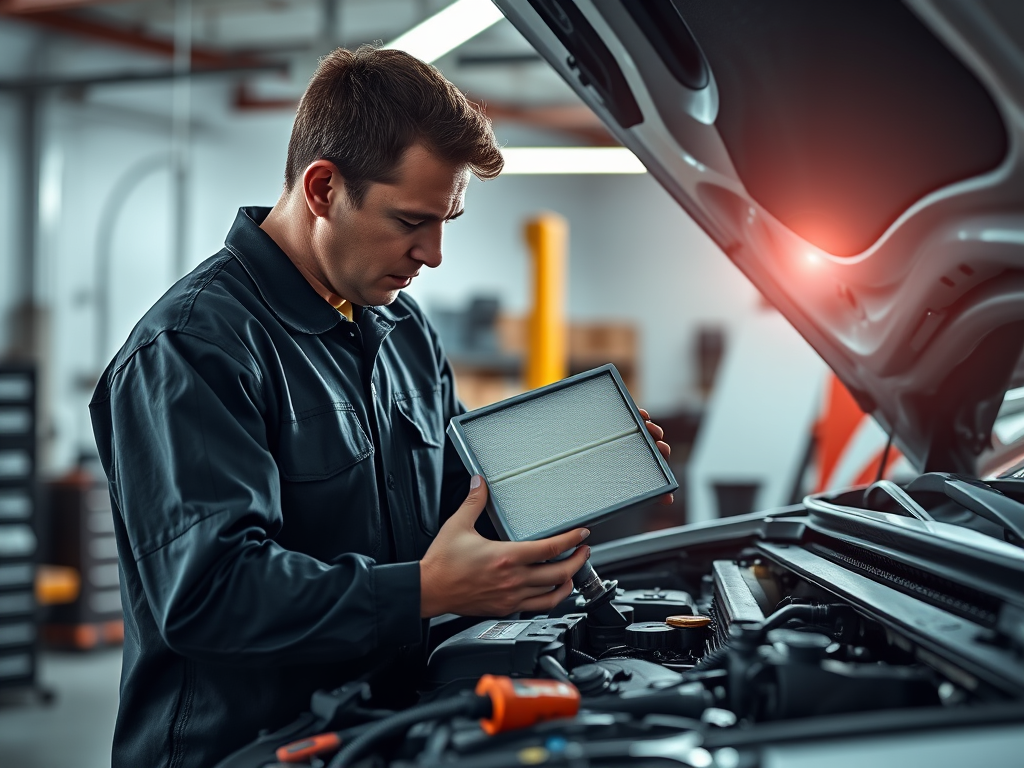
Air filters prevent dirt and debris from entering your engine. A clogged filter can reduce engine performance and fuel efficiency.
Tip:
Replace your engine air filter every 12,000 to 24,000 km or as recommended. Cabin air filters (for HVAC systems) should also be changed to maintain good air quality inside the car.
4. Check and Maintain Fluid Levels

Besides oil, your car relies on several other fluids:
- Coolant: Prevents your engine from overheating.
- Brake Fluid: Essential for proper braking.
- Transmission Fluid: Keeps your transmission system running smoothly.
- Power Steering Fluid: Helps you steer with ease.
- Washer Fluid: For clean, clear visibility through your windshield.
Tip:
Check these fluid levels monthly and top up as needed. Always use the recommended fluid types from your manual.
5. Inspect Belts and Hoses
Why it matters:
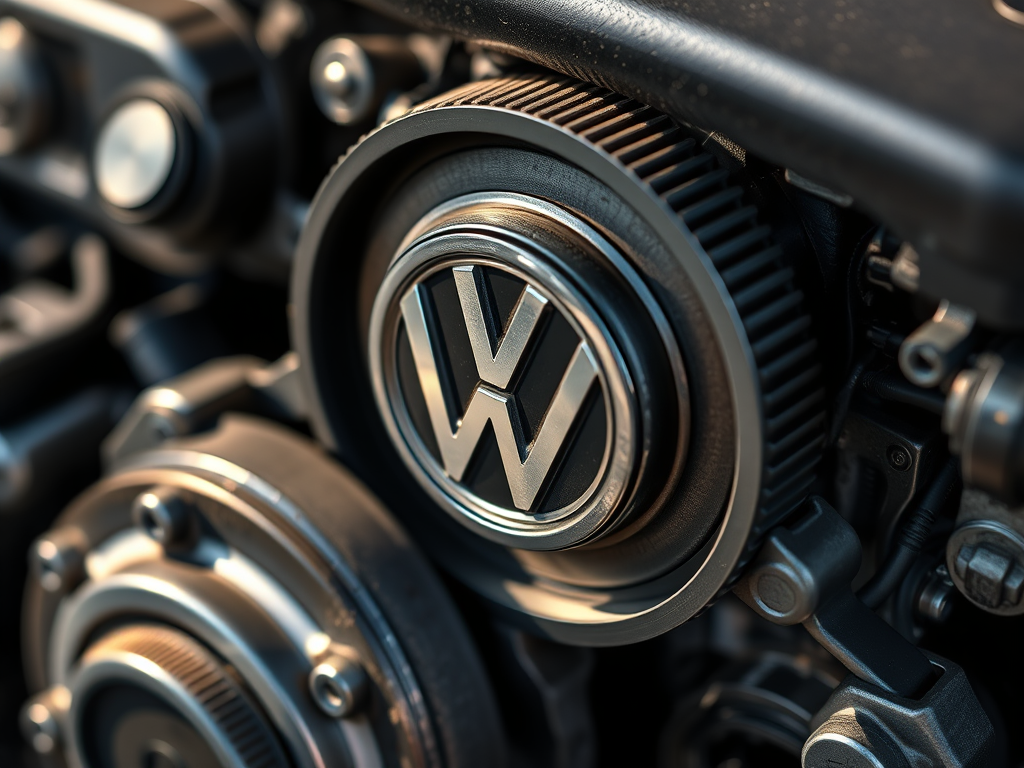
Belts and hoses keep your engine components working in sync. If they crack or break, it could lead to serious damage.
Tip:
Look under the hood for visible wear, fraying, or cracks. If you hear squealing noises or see leaking fluid, it may be time to replace them.
6. Battery Maintenance

Why it matters:
Your car battery powers everything from ignition to lights and accessories. A dead battery can leave you stranded.
Tip:
Check battery terminals for corrosion and ensure they are tightly connected. Most batteries last 3–5 years; get yours tested annually after year three, especially before winter.
7. Monitor Warning Lights
Why it matters:
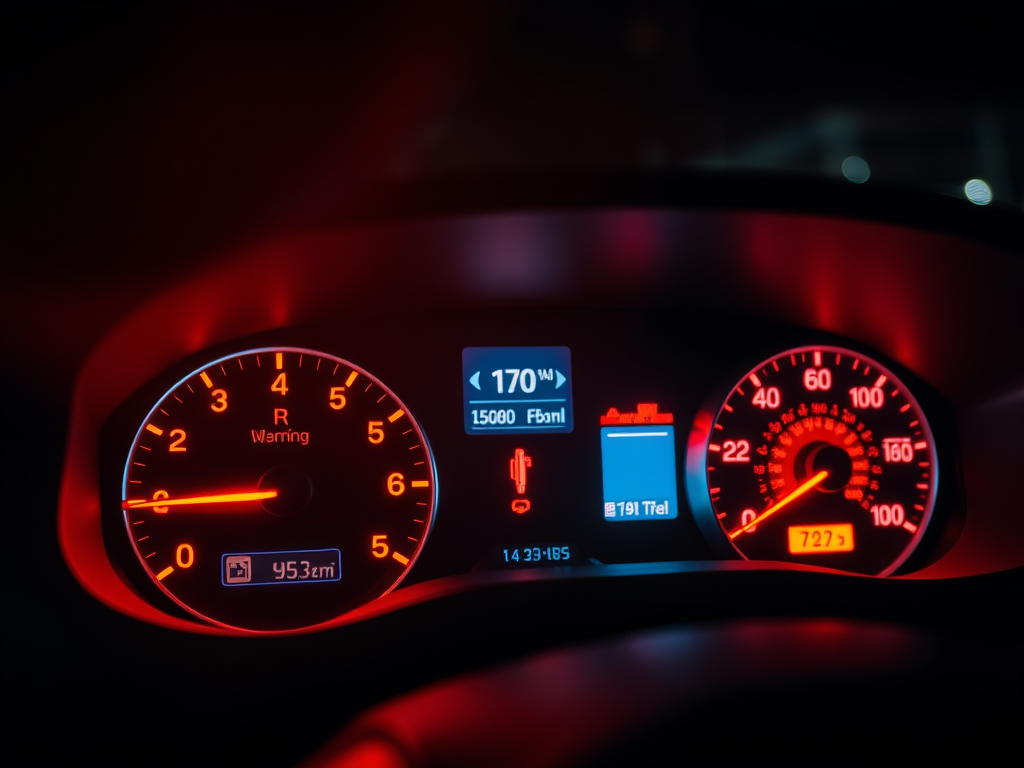
Dashboard warning lights are your car’s way of alerting you to problems—don’t ignore them.
Tip:
Learn what the most common lights mean (check engine, oil pressure, tire pressure, battery). When in doubt, consult a mechanic or your manual.
8. Rotate and Balance Your Tires

Why it matters:
Uneven wear can shorten the life of your tires and affect vehicle handling.
Tip:
Rotate your tires every 8,000 to 10,000 km and get them balanced and aligned once a year or if you notice uneven wear or the car pulling to one side.
9. Keep Your Car Clean Inside and Out
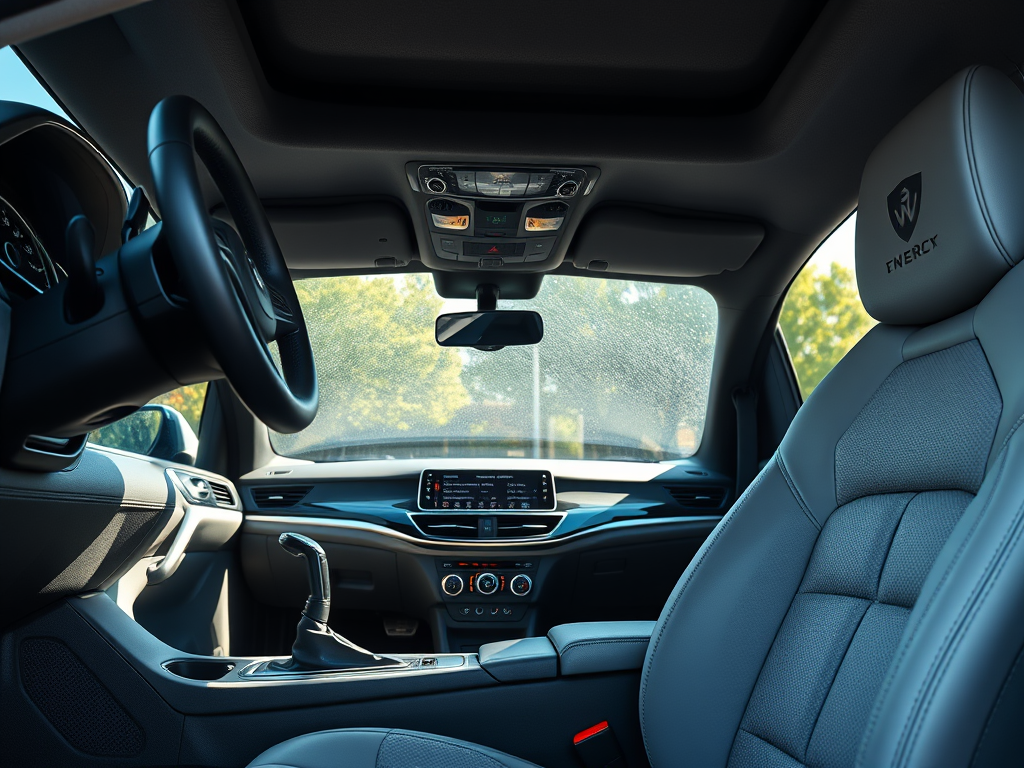
Why it matters:
Regular washing and waxing protect your car’s paint from corrosion. Cleaning the interior also preserves upholstery and prevents musty smells.
Tip:
Wash your car every two weeks, especially in winter to remove road salt. Vacuum the interior and wipe down surfaces to keep it looking new.
10. Follow Your Car’s Maintenance Schedule
Why it matters:
Your car manufacturer provides a maintenance schedule tailored to your model for a reason.
Tip:
Stick to it! From timing belt replacements to spark plugs and fluid flushes, following this schedule helps you avoid unexpected breakdowns.
Conclusion
Taking care of your car doesn’t have to be overwhelming. By staying consistent with these essential maintenance tips, you not only ensure a smooth and safe driving experience but also protect your investment for years to come.
Make car care a habit—not a chore. Your vehicle (and your wallet) will thank you.
 My-Toronto
Leave a comment